Every June the UK marks Volunteers’ Week, celebrating those that give their time to support others. As part of RMC Charity’s recognition, we’re celebrating what volunteering means for RMC Charity and for communities everywhere.
What is volunteering?
There is no single definition, volunteering looks different depending on the person, the organisation and the setting. VolunteerNow describes volunteering as “freely giving unpaid time and skills to benefit others, beyond close friends or relatives.” Claire, our Volunteer and Training Manager, puts it simply: “volunteering is choosing to give our free time to a cause that we believe in”.
People volunteer for personal, professional and social reasons, or simply for the enjoyment of it. Some are students building experience, some are working adults developing new skills, and some are retired people who enjoy staying active and giving back. Along the way, volunteers meet new people, share experiences, learn new skills, support their mental health and build their cultural awareness.
In a world where news travels fast and headlines can be misleading, volunteering with organisations like RMC offers a chance to look beyond this, to connect with people, learn from lived experiences, and understand the real impact of policies and global events. It gives people a chance to understand issues first-hand, build connections across communities and be part of the solution.
“Never doubt that a small group of thoughtful, committed citizens can change the world; indeed, it’s the only thing that ever has.” – Margaret Mead
Volunteering in the UK
As reported by the Guardian, the social role attributed to volunteering has evolved over time. “In the 1960s volunteering was seen as a way of diverting youthful energy away from Mods-and-Rockers gang feuds. In the 1970s the emphasis was on professionalising volunteer effort as a reliable appendage to social services. The Thatcher administration of the 1980s saw volunteering very much through a lens of individual freedom, and as a practical response to mass unemployment and inner-city unrest, while the mood music of the 1990s under both Tory and Labour regimes was heavy on active citizenship.”
Today, volunteering is not only aimed at specific groups; everyone, regardless of age, occupation, gender, sexual orientation, religion, or culture, has the opportunity to volunteer. Volunteering has evolved to include responsibilities that support the development of professional, social and personal skills for everyone involved, including the organisations that learn from the volunteers they support.
You don’t need to be part of a big organisation to make a difference. You might raise money for a charity, help a neighbour with their shopping, join your university’s volunteer team or support a local business. Start small, use the skills you already have or try something new, and see where it leads.
Volunteering at RMC
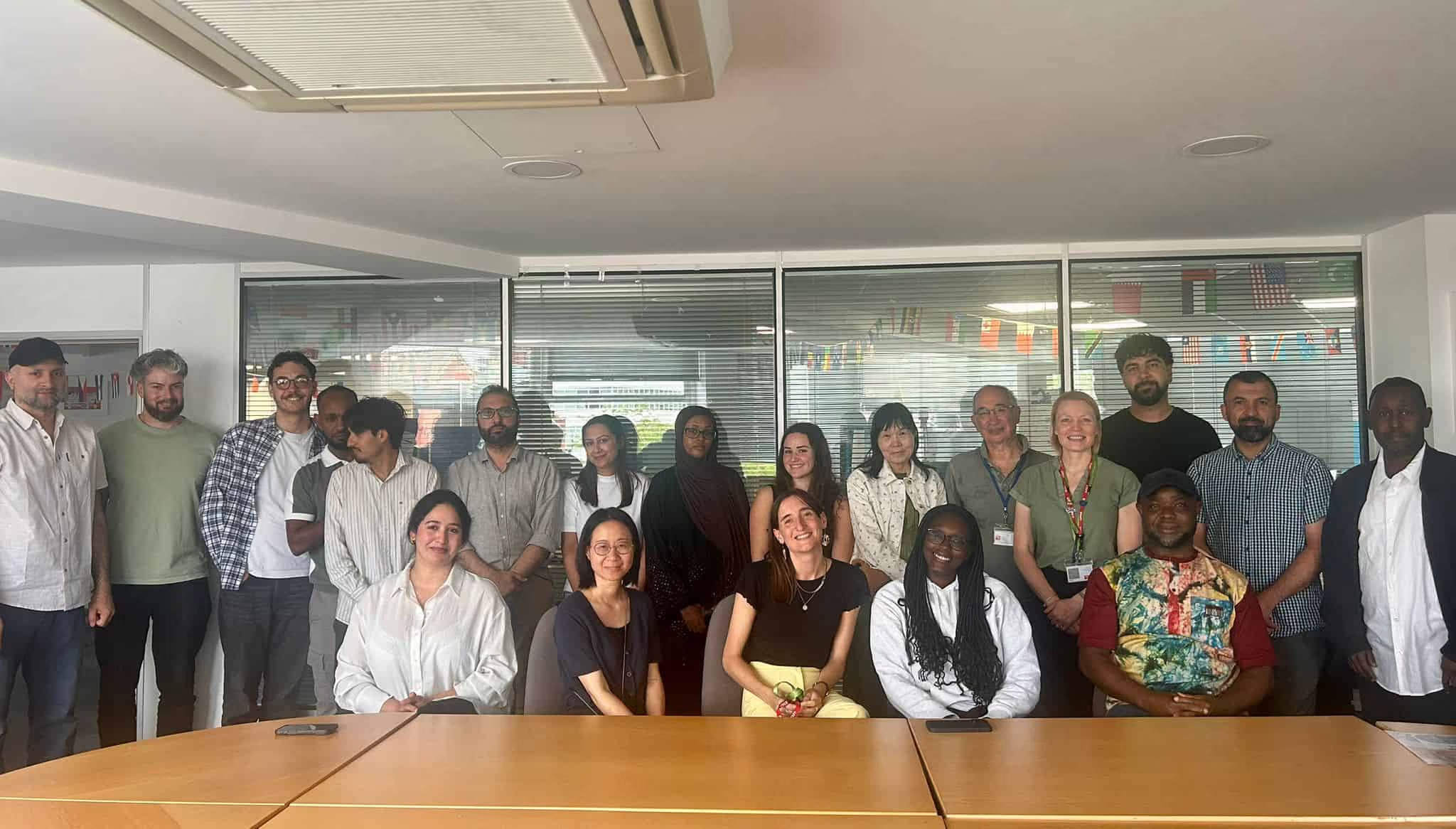
At RMC, getting started is simple- new volunteers answer a few questions, have an informal chat with Claire and then shadow a staff member to see how the work is done. From there, volunteers use their skills and languages in many ways: advising communities, welcoming people at reception, gathering data to help shape our services, supporting English made easy classes and contributing to projects.
In 2025–2026, RMC had 127 volunteers, with 17 progressing into staff roles. Alongside this, 41 students completed their placements with RMC, including 2 who also joined the staff team. Together, volunteers and students contributed 15,009 hours, equivalent to £201,871.05 based on the Real Living Wage.
Every volunteer brings unique skills and knowledge to RMC and is an integral part of the services we offer. Volunteers and students massively expand RMC’s capacity, enabling us to assist more people in need. RMC aims to create a relationship that goes beyond the work itself, strengthening confidence and wellbeing through regular recognition from staff, support from Claire and their mentors, and opportunities to connect with colleagues across different offices.
Every volunteer has their own reason for showing up and staying committed. Today, it is not only about giving time, but about learning, connection and shared understanding. The joy of volunteering comes from meeting new people, becoming part of a community and, most importantly, doing something that feels meaningful and rewarding.