An introduction
Refugee Status
Asylum seekers can come from many different countries and backgrounds and may take a number of routes to arrive in the UK.
By definition, an asylum seeker is: An individual who is seeking international protection. In countries with individualised procedures, an asylum seeker is someone whose claim has not yet been finally decided on by the country in which he or she has submitted it. Not every asylum seeker will ultimately be recognised as a refugee, but every refugee is initially an asylum seeker.
In comparison, a refugee is defined as: A person whose asylum claim has been accepted by the government having fled their country of origin and is unable or unwilling to return because of a well-founded fear of being persecuted because of their race, religion, nationality, membership of a particular social group or political opinion.
A person granted asylum will be granted refugee status which equates to 5 years leave to remain with the right to work and access public funds.
Refugee status will be reviewed at the date of expiry/or when someone makes a new immigration application.
It may also be reviewed during the first five years if there is a significant/permanent change in the country of origin or evidence that the person has returned to their own country whilst they have been a refugee.
Arrival
Initial Claim
Claim Asylum
No matter how someone arrives, they will first need to claim asylum. This enters them into the asylum system and starts the process.
At this time, there will also be an initial interview which is usually between 30mins and 2 hours. During the interview, a person will be asked some basic questions about them, their background and family.
Learn more about the initial interview
Roughly 85% of all refugees live in developing regions and 73% of refugees displaced abroad live in countries neighbouring their country of origin
84,200 applications for asylum were made in the UK in 2024
0.54% of the UK's population were made up of refugees, pending asylum seekers and stateless persons in November 2022
Initial accommodation
Temporary housing
While things are being set up, the asylum seeker will be placed into temporary Home Office accommodation.
"Refugees are given 5 star luxury hotels"
Asylum seekers do not have refugee status, have no right to work or travel and are provided with basic accommodation. Hotels are occasionally used where there is no other alternative and are still very basic provision, with families often sharing 1 room with no kitchen facilities.
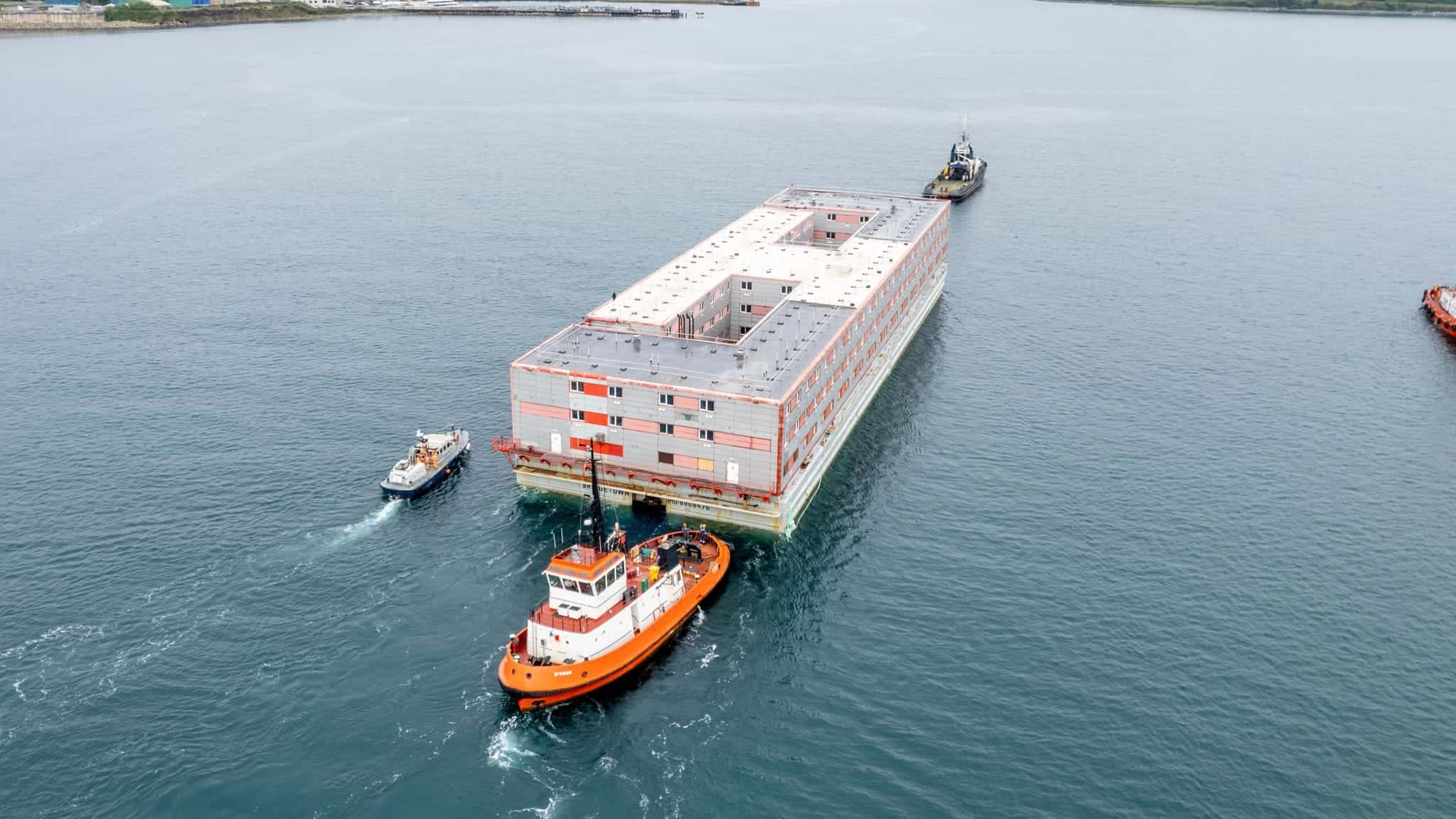
Bibby Stockholm
In April 2023, Sunak’s government announced their plans to house people seeking safety that are waiting to hear about their asylum claim, on the Bibby Stockholm – a barge docked in Portland Port.
It was only a short time before the first residence were taken off the boat due to the presence of Legionella bacteria.
Dispersed accommodation
Longer term provision
Asylum seekers will be moved into longer term shared homes while they await the decision on their asylum claim. This housing could be anywhere that there is space. There is no choice of where it is and in general, they will stay in this home until a decision is made on their case.
Asylum interview
The big day
The substantive interview is where an asylum seeker must prove their case and prove their eligibility for refugee status.
The interviews can last many hours with evidence and people’s information being questioned intensely, as well as being compared with the answers in the initial arrival interview.
It can be a very difficult day for someone, and is incredibly important for someones asylum case.
Find out more about the interview
The decision
The start of the next journey
Following the interview, a decision will be made on the applicants case.
Those that are successful are granted refugee status, those that are refused have the right to appeal, or otherwise are potentially removed from the UK.
47% of initial decisions were granted protection in the 12 months to March 2025
48% of asylum appeals were allowed in 2024. Which is almost half of refusals being overturned
31% of applicants had been waiting for more than a year at the end of March 2025